
Healthy gums are the basis for healthy teeth
A healthy set of teeth starts with good oral care, and you are in control of that. Brushing twice daily (with an electric toothbrush) and using interdental brushes or toothpicks help prevent cavities and gum inflammation. At CDC, every patient is guided by a dental hygienist or (paro) prevention assistant. During an oral hygiene treatment, we perform a PPS score (Periodic Periodontal Screening) to assess the health of your gums. Based on this, we recommend an appropriate treatment and give you tips on brushing and nutrition.



16 treatment rooms, so no waiting times
Complete treatment plan possible in one day
Fully equipped, including laboratory and anesthesia center
Find the treatment that suits you.
Do you attach great importance to healthy teeth?
Do you want to keep your natural teeth for as long as possible? Do you regularly suffer from inflammation in your mouth? The foundation of healthy teeth is healthy gums. In addition to your daily, proper cleaning, periodic cleanings with a dental hygienist or (periodontal) preventive assistant are essential. Some people experience more tartar or plaque buildup than others. This can have various causes, which you can't always control yourself. Together, we're happy to keep your teeth and gums healthy!
Questions?
If you have any questions about the intake or the treatment process, please feel free to contact us via our general number or via the contact form.
What can you expect from the treatment?
By visiting your dental hygienist or periodontal prevention assistant regularly, you are actively practicing preventative oral care to prevent and combat tooth decay and gum disease.

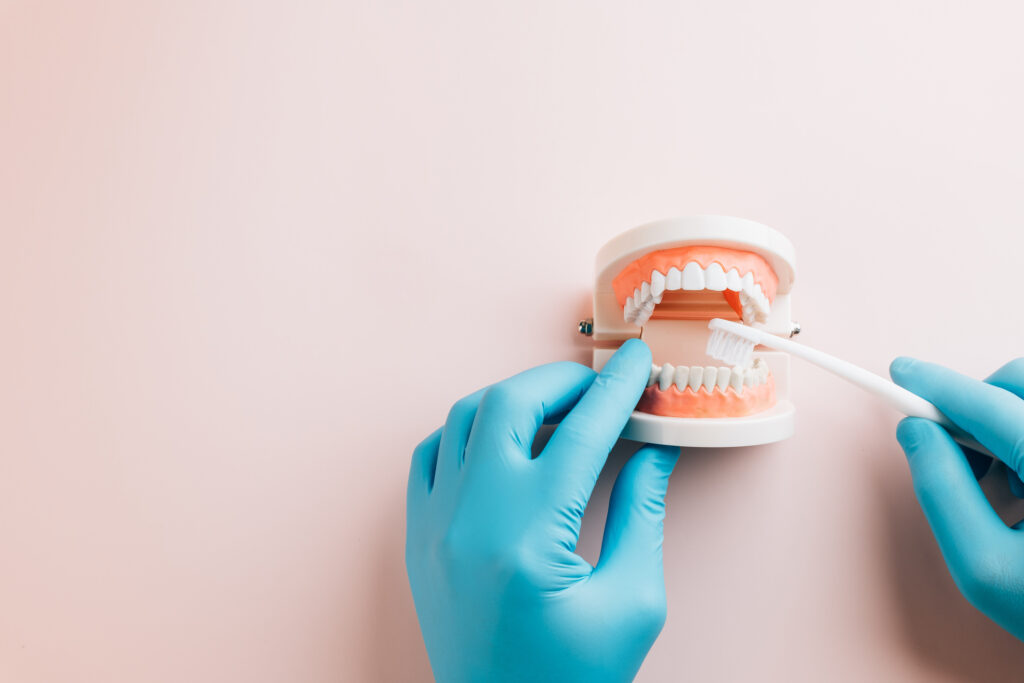




Good oral health is important!
The most important information at a glance.
Good daily oral hygiene is important for preventing oral problems like tooth decay or gum and jawbone infections. But did you know that good oral hygiene also plays a crucial role in overall well-being, both physically, mentally, and socially? The mouth is a gateway to the rest of the body, making it extra important to take good care of it!
Schedule a no-obligation intake
It's helpful to have a look with the dentist during an intake. We'll discuss the options and your expectations. Based on this, the dentist will create a personalized treatment plan. You can then decide for yourself if this is what you want.


How does the intake process proceed?

0 + patients on average per year
Dr. Jack Plooij
Head of the clinic (dentist implantologist) – self-employedGiulio Ricceri
Dentist (endo specialty) – self-employedKaren Mulders
Dentist (cosmetic/aesthetic specialty)Dr. Zemarak Nabi
Dentist (implantologist) – self-employedJoana Duarte Pedreiras
Dentist (cosmetic/aesthetic specialty)Dr. Jürgen Lortz
Dentist (implantologist) – self-employedJumana Adel
Dentist (restorative dentistry (aesthetics) and pediatric dentistry) - self-employedRay Socorro Martinez
Dentist (implantologist) - self-employedWibo Wijzenbeek
Clinical Prosthetic Technician / Lab ManagerKoen van Gerven
Clinical Prosthetic TechnicianMarianne de Poorter
Care consultant / counter clerkAndré Silva
Dental hygienistEva Janszens
Dental assistant / Preventive assistantMarja Zwaan
Periodontal Prevention AssistantHarriet Schapers
Managing DirectorJoyce Nieuwlaat
Floor manager / Dental assistantJob Teunis
Prevention assistantMarieke Prast
Sterilization managerSözgin Ahmad
Dental assistantAmulbanin Mosawi
Dental assistantWendy Wijnen
Dental assistantDaan Kessels
Assistant Floor Manager / Dental AssistantLydia van Lierop
Floor Manager Back OfficeSandra Vereggen
Desk employeeJosje Koster
Desk employeeMonique Surdi
Desk employeeYvette den Bieman
Desk employeeNathalie Kroonenburg
Office employee
Question and answer
Is treatment by a dental hygienist or preventive assistant really necessary?
Regular visits to the dental hygienist or preventative care assistant generally prevent major treatments and thus higher costs in the future. Skipping visits to the dental hygienist and not treating inflamed gums can lead to tooth loss. It also impacts your overall health and poses risks for pregnant women.
How often is a visit to the dental hygienist or preventive assistant necessary?
In general, a visit to the dental hygienist is recommended every six months. People with gum problems or excessive tartar may need more frequent treatments.